MODULE 3: Mobile Phone Content Creation
Study the content below.
Lesson 305: Sequences
This will give you:
A solid understanding of the standards and practices of leading news agencies.
Once complete, move on to Lesson 306.
IN THIS LESSON
🎬 Craft Engaging Sequences: Learn to utilize shot progression, cutaways, and B-roll to build dynamic and impactful visual stories.
VISUAL SYMPHONY
In this lesson, we'll unlock the power of sequences—the very building blocks of your visual narratives. Think of them as the visual sentences and paragraphs that make up a compelling story.
1. Understanding the Importance of Sequences
Why Sequences Matter:
Shooting sequences is crucial for effective editing. By capturing overlapping footage from multiple angles and shot sizes, you ensure a seamless flow in the final edit. Complete sequences offer more creative possibilities, enabling you to craft a compelling narrative.Key Elements:
Overlap and Coverage: Film actions multiple times from different angles and shot sizes to ensure flexibility during editing.
Creative Freedom: Well-planned sequences provide editors with the tools to build engaging, dynamic stories.
7. Gender-Focused Considerations
Challenging Stereotypes:
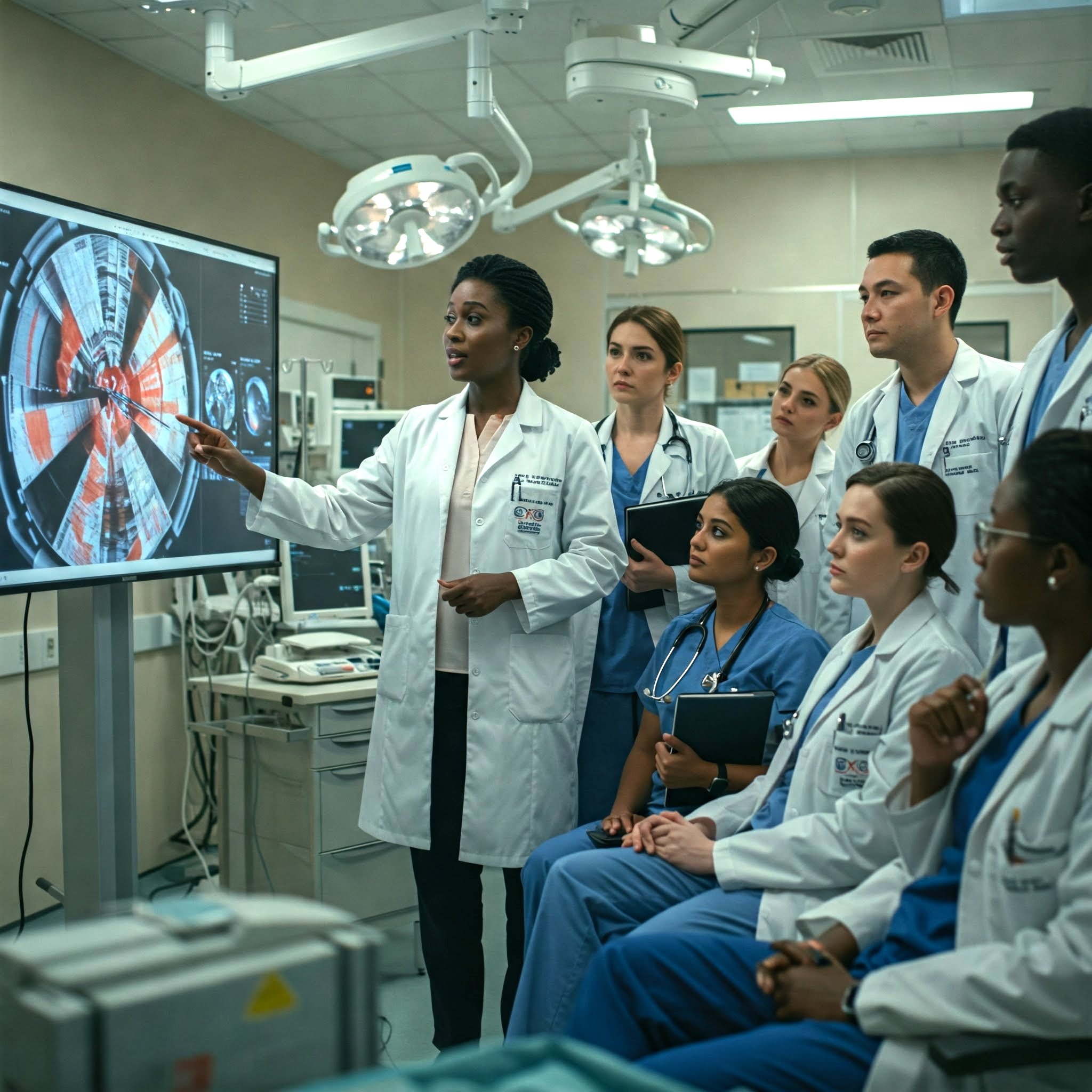
Use B-roll to challenge gender stereotypes. For example, if your story features a female Chief Medical Officer, show her confidently leading a team, mapping out a surgical procedure, or presenting groundbreaking research.Highlighting Emotions:
Use cutaways to emphasize moments of triumph and resilience. For instance, a cutaway to a woman receiving an award or celebrating with her team can underscore her accomplishments.Creating Balance:
Ensure a balanced representation of genders in your sequences. If your story is about a female politician, include shots of her interacting with constituents, working in her office, and making decisions to showcase the multifaceted nature of her role.
By mastering these techniques, you can create visually compelling stories that engage your audience, challenge stereotypes, and promote balanced representation.
2. Standard Shot Progression
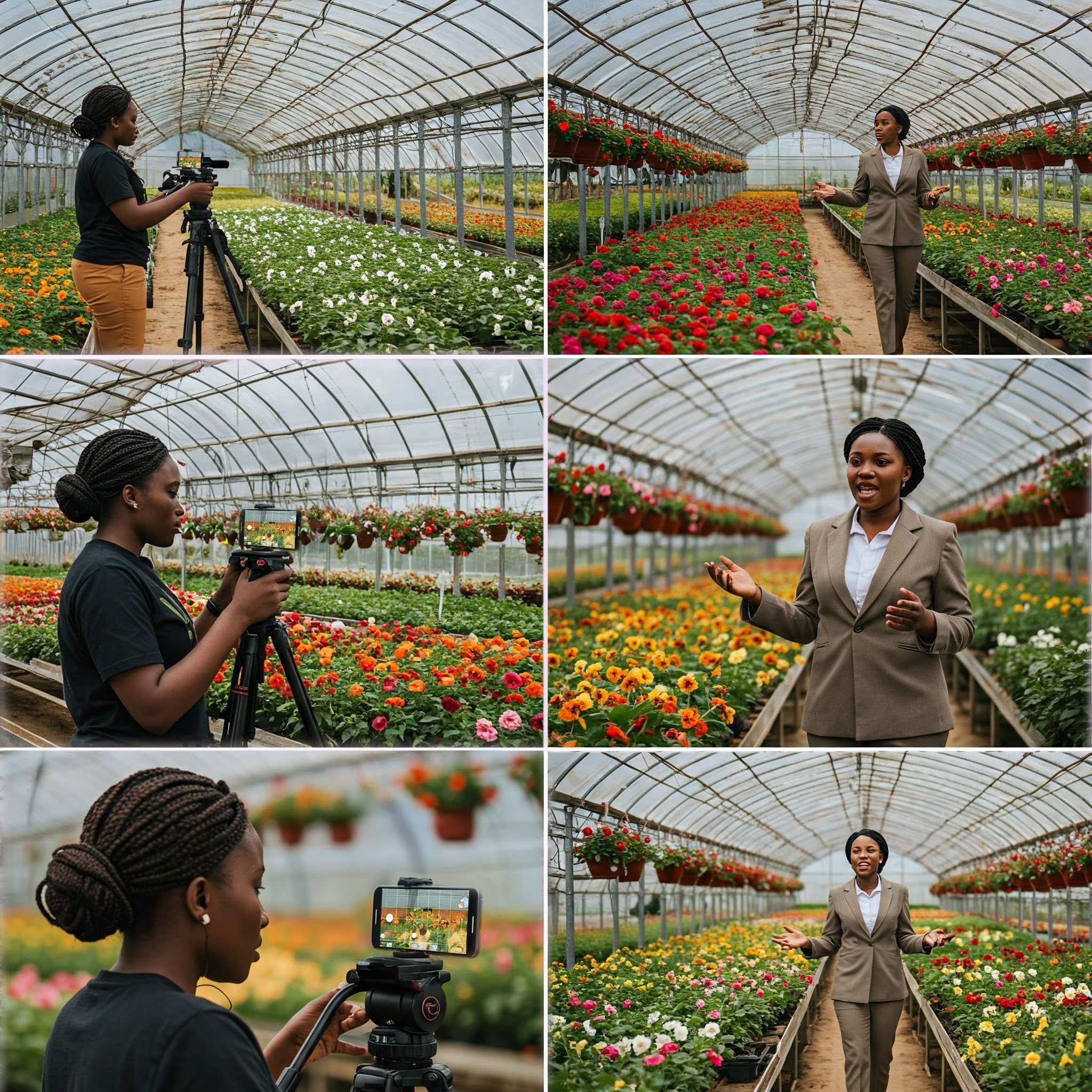
A fundamental approach to shooting sequences involves capturing a range of shot sizes from various angles. A common method is to start with a wide shot, move to a medium shot, and finish with a close-up.
Wide Shot (Establisher/Master Shot):
Provides orientation and establishes the location.
Often referred to as the "master shot" because it can encompass the entire sequence and serve as a safety net during editing.
Medium Shot:
Portrays subjects in a way that mirrors how we naturally see people.
Ideal for showing character interactions and body language.
Close-Up:
Focuses on details, such as facial expressions or hands engaged in an activity.
Creates mood and allows the viewer to connect emotionally with the subject.
5. The Importance of Continuity
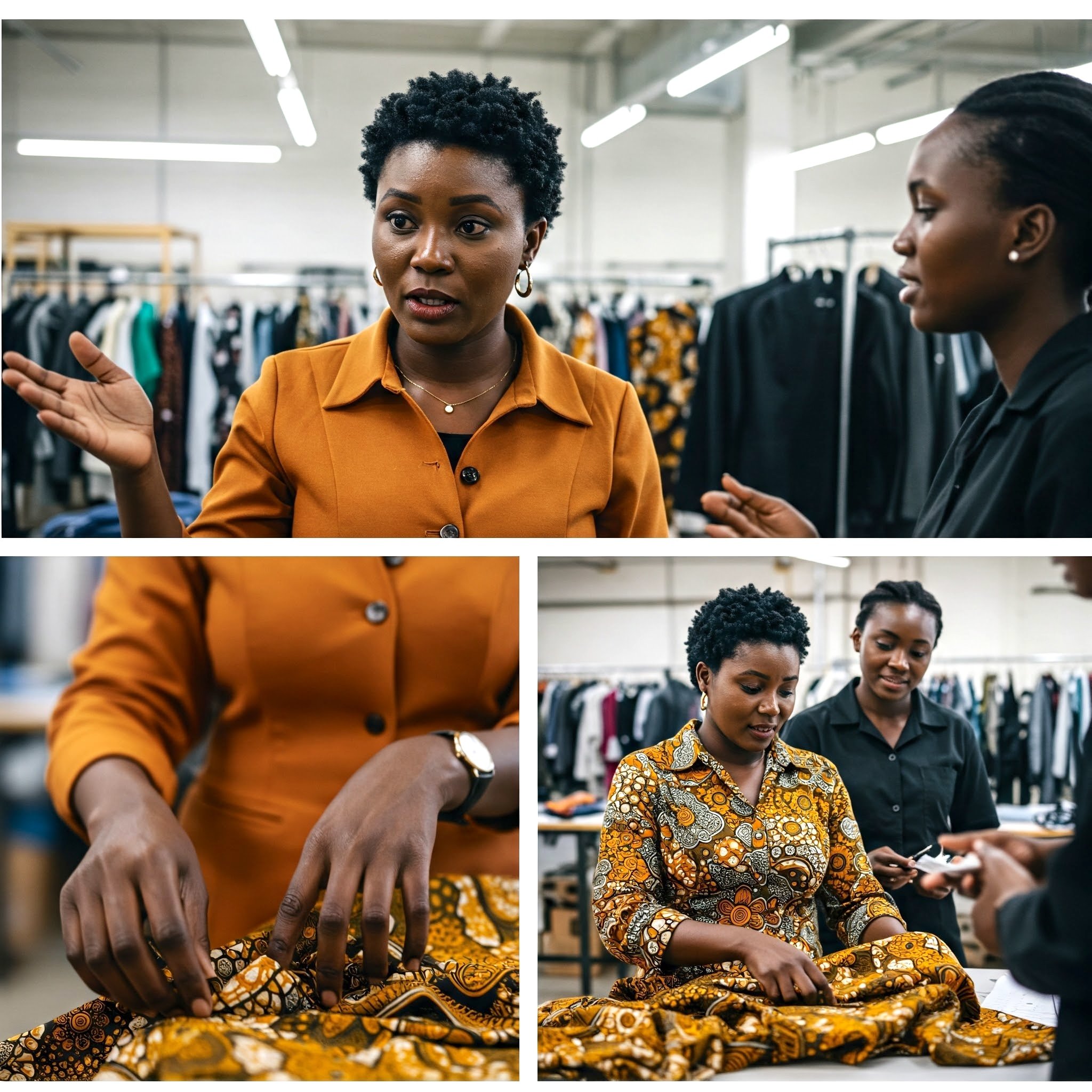
When repeating actions for coverage, ensure continuity is maintained. For example, the position of hands or objects should remain consistent across shots to ensure seamless cuts in the edit.
3. Crafting Compelling Sequences
Thoughtful sequencing of shots creates a dynamic flow, guiding the viewer’s eye and building a cohesive narrative.
Example Sequence:
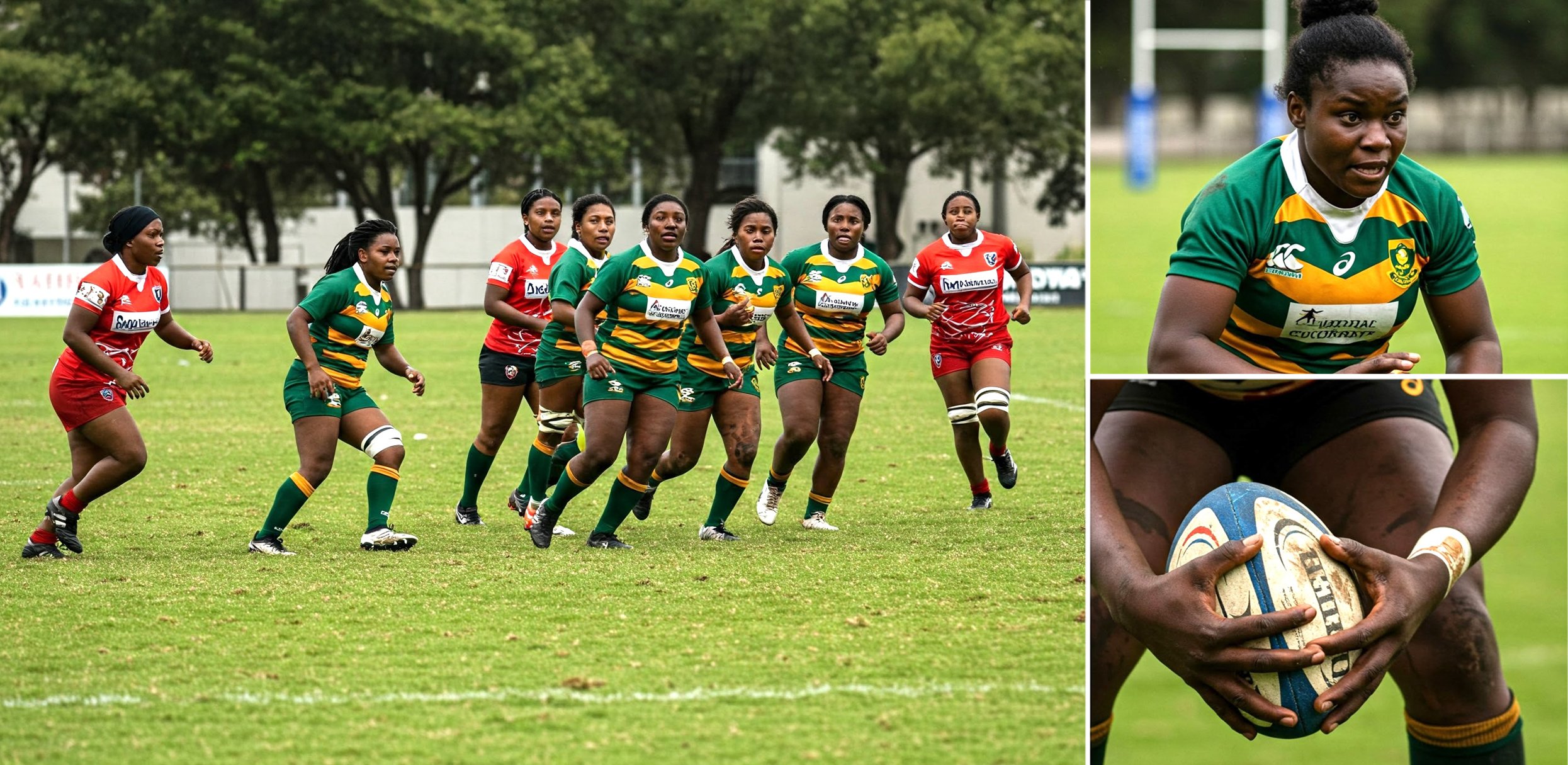
Start with a wide shot of a women’s rugby team charging across the field, showcasing their power and athleticism.
Cut to a medium shot of players huddled together, strategizing their next move, emphasizing teamwork and camaraderie.
Use a close-up of the captain’s determined face as she rallies her team, revealing her leadership and passion.
End with an extreme close-up of muddy hands gripping the rugby ball, capturing the intensity and grit of the game.
This deliberate sequencing draws the audience deeper into the story, fostering a stronger connection with the athletes and their journey.
4. Efficient Shooting Techniques
Shoot from One Location:
Select a camera angle that allows you to frame wide, medium, and close-up shots without moving the camera. This is an economical way to record multiple shots.Hold Each Shot:
Record each shot for at least 10 seconds to ensure sufficient footage for smooth transitions and editing flexibility.Vary Camera Angles:
After capturing shots from one location, change the camera angle and repeat the process. Consider creative angles, such as shooting from above or below the subject, to add visual interest.Point of View Shots:
Capture what the subject sees (wide and close shots) without including the subject. These shots are valuable for showing the audience the subject’s perspective.

6. Utilizing Cutaways and B-Roll
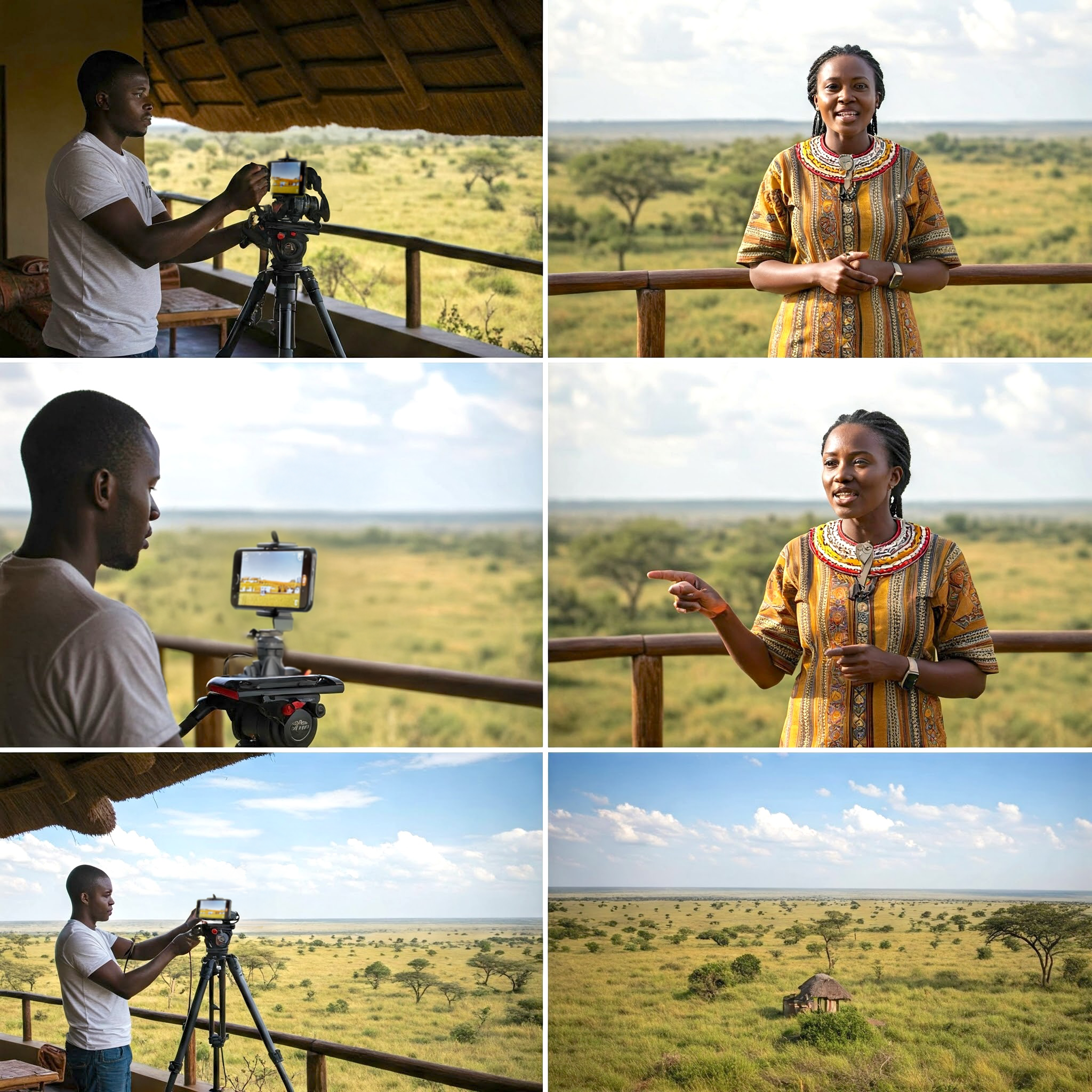
Cutaways:
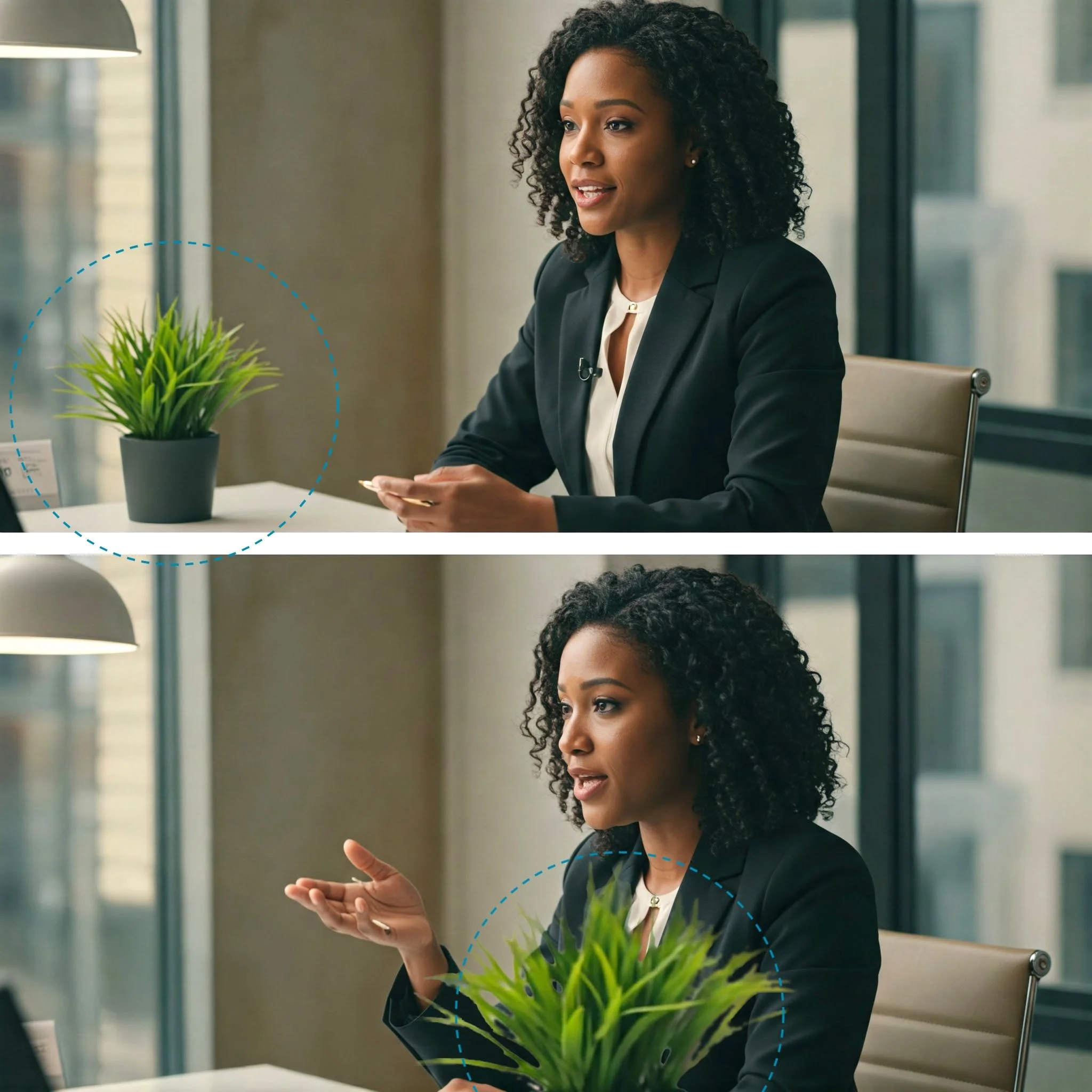
Brief transitions away from the main subject, often focusing on related details or actions.
Example:
During an interview with a female entrepreneur, cutaways could show her replacing batteries or monitoring charging levels at her electric vehicle station, subtly conveying her dedication and expertise.
B-Roll:
Supplemental footage that complements your main shots, adding depth, context, and emotion to your story.
Capture a variety of shots (wide, medium, close-ups) to provide visual variety and keep your audience engaged.