MODULE 3: Mobile Phone Content Creation
Study the content below.
LESSON 303: Audio
This will give you:
A solid understanding of the standards and practices of leading news agencies.
Once complete, move on to Lesson 304.
IN THIS LESSON
🎤 Capture Crystal-Clear Audio: Learn to select, place, and utilize microphones effectively, ensuring optimal sound levels and minimizing interference for professional interviews.
SOUND ADVICE
This lesson focuses on capturing clear, high-quality audio for interviews, particularly when recording the insights of exceptional African women.
Why Crystal-Clear Audio Matters
Pristine audio ensures the women’s message is delivered with impact and clarity, free from distracting noise. Clear audio demonstrates respect for their expertise and allows their voices to be heard without technical barriers. This is especially crucial when sharing their stories with the world, as it allows their achievements to resonate with audiences and inspire change.
Microphone Selection & Setup
-
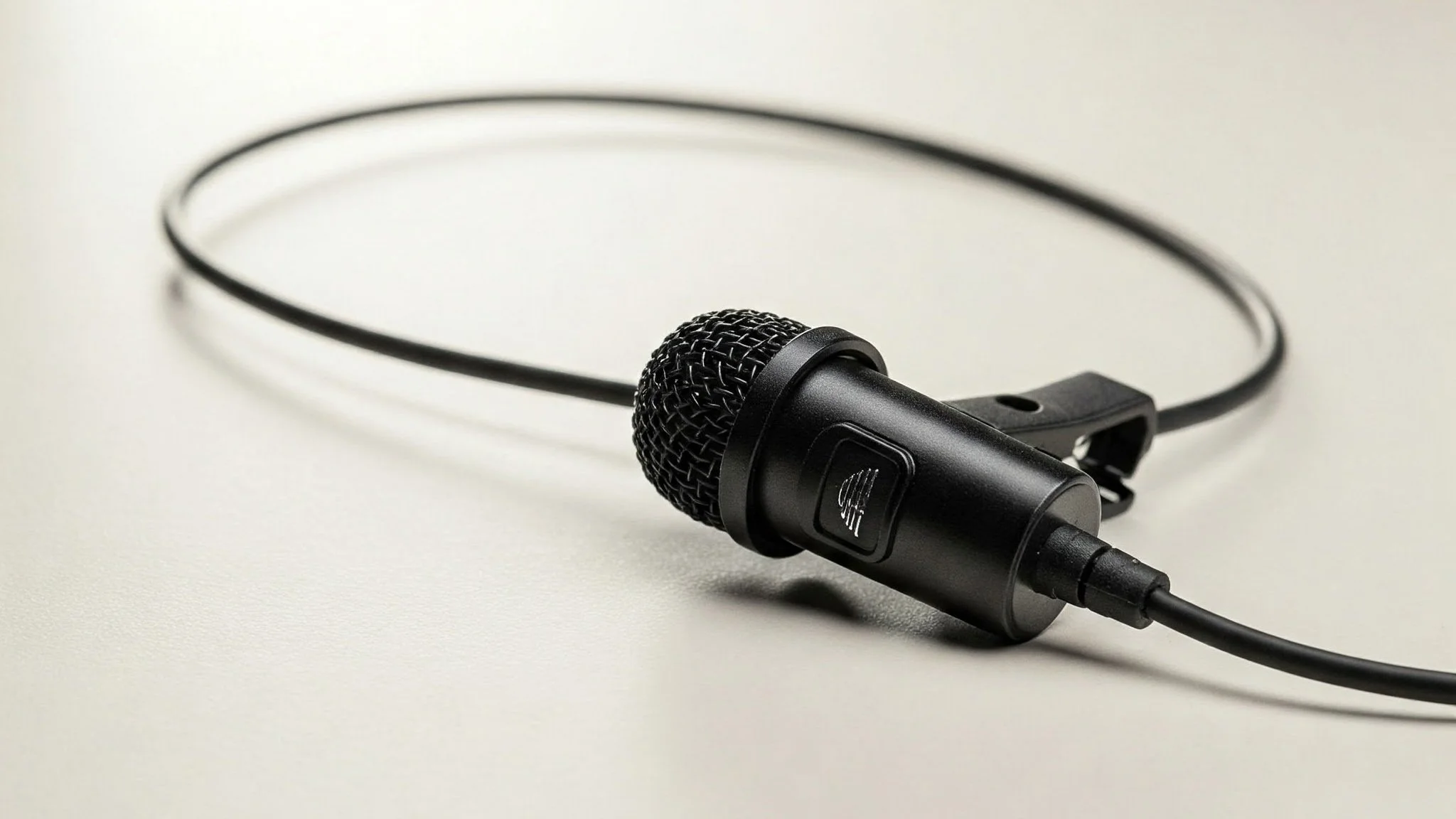
These are small, clip-on mics that offer convenience and consistent audio, even when the subject moves, particularly in dynamic settings like community events or fieldwork. They are ideal for interviews with a single subject, capturing a close and intimate sound with nuanced voice detail.
Placement and Respectful Practices:
When preparing to attach a lavalier microphone, it's essential to prioritize the subject's comfort and personal space.
Always ask for permission before making any physical contact.
Clearly explain what you are going to do and where you need to place the microphone.
Offer the option for the interviewee to attach the microphone themselves if they prefer.
If you need to assist with placement, do so with sensitivity and avoid any unnecessary contact.
Attach the mic 5-10 centimeters below the chin, ensuring it doesn't rub against clothing, jewelry, or if the subject uses their hands when talking, which can cause distracting noise.
-
These are well-suited for interviews in noisy environments or situations where you need to isolate the subject's voice, such as when filming in her factory or with a crowd of people nearby.
Placement and Usage:
Position the shotgun microphone as close as possible to the subject's mouth, and point it directly at them, ensuring it is no more than 1 meter away for optimal sound quality.
Unlike broadcasters who may show their microphone and logo, this footage is intended for distribution by a media agency to client broadcasters. Therefore, it is crucial to ensure that the shotgun microphone NEVER appears in the frame. Under no circumstances should the microphone or any other equipment be visible in the final footage. This is a strict requirement for ensuring the footage is usable by a wide range of broadcasters.
-
These microphones offer the ultimate flexibility, freeing your subjects from cables and allowing them to move around naturally during the interview. This can be particularly beneficial when interviewing women in their workplaces or community settings, where they may need to demonstrate tasks or interact with others.
Important Considerations for Wireless:
Frequency Selection: Choose a frequency that is not being used by other devices in the area to avoid interference.
Battery Life: Ensure the transmitter and receiver have fresh batteries to avoid unexpected power loss.
Range: Be mindful of the operating range of the wireless system, especially in large or crowded spaces.
Achieving Optimal Audio Levels:
Monitoring Levels: ALWAYS use headphones to monitor audio in real-time. This allows you to adjust levels and catch any potential issues during the interview, ensuring that your subject’s voice is captured at the ideal volume.
Ideal Levels: Aim for an average speaking level of around -12 dB. This provides headroom to prevent distortion while maintaining a strong signal, allowing the woman's voice to be heard clearly and powerfully.
Ambient Sound: Capture 30 seconds of "room tone" or ambient sound at around -28 dB for each location. Video editors can use this to create a consistent background or for noise reduction in post-production, ensuring that the focus remains on the subject’s voice. When filming B-roll for this project, it is standard practice to record a wide establishing shot in each location for 30 seconds and ensure that sound is captured.
Conduct a sound check: Before the interview, record a short test to ensure levels are optimal and there are no unwanted noises.
Communicate with your subject: Let the interviewee know how to avoid rustling papers or making other distracting sounds, ensuring that their voice is captured clearly.
Minimizing Noise & Interference:
🌬️ Wind Interference: Imagine trying to listen to someone speak while the wind is howling in your ear. That's what wind noise does to your recordings. To prevent this, we use a windscreen, sometimes called a "deadcat" because of its furry appearance. It's a cover you put on your microphone that acts like a barrier against the wind, so you get clear audio, even when it's windy, like when you're interviewing women outdoors.
🙉 Background Noise: Choose quiet locations whenever possible. Be mindful of potential noise sources like traffic, air conditioners, and generators.
By following these guidelines, you can capture professional-quality audio that elevates the voices of influential women and ensures their stories are heard loud and clear.
Watch these videos for great tips on audio.