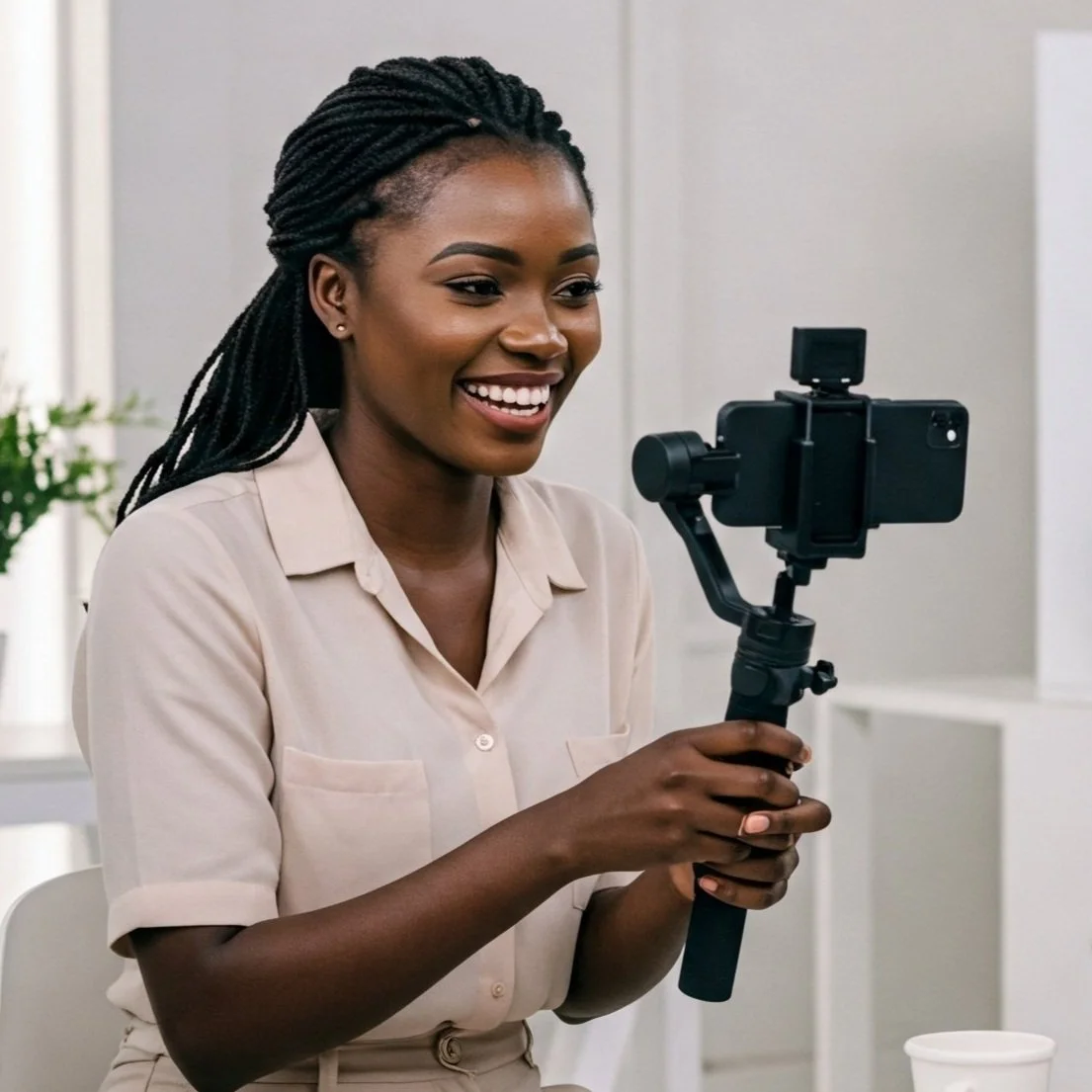
MODULE 3: Mobile Phone Content Creation
Study the content below.
LESSON 306: Stability
This will give you:
A solid understanding of the standards and practices of leading news agencies.
Once complete, move on to Lesson 307.
IN THIS LESSON
🎥 Achieve Steady Footage: Learn to select and utilize appropriate stabilization techniques for professional and impactful video narratives.
STAY STEADY
The way you hold and stabilize your camera profoundly impacts visual storytelling and overall quality, especially when conveying sensitive narratives.
We'll explore three core methods: handheld, tripod, and gimbal, understanding their unique characteristics, advantages, and disadvantages.
By the end of this session, you'll be able to choose the appropriate technique to achieve your creative, practical, and ethical goals.
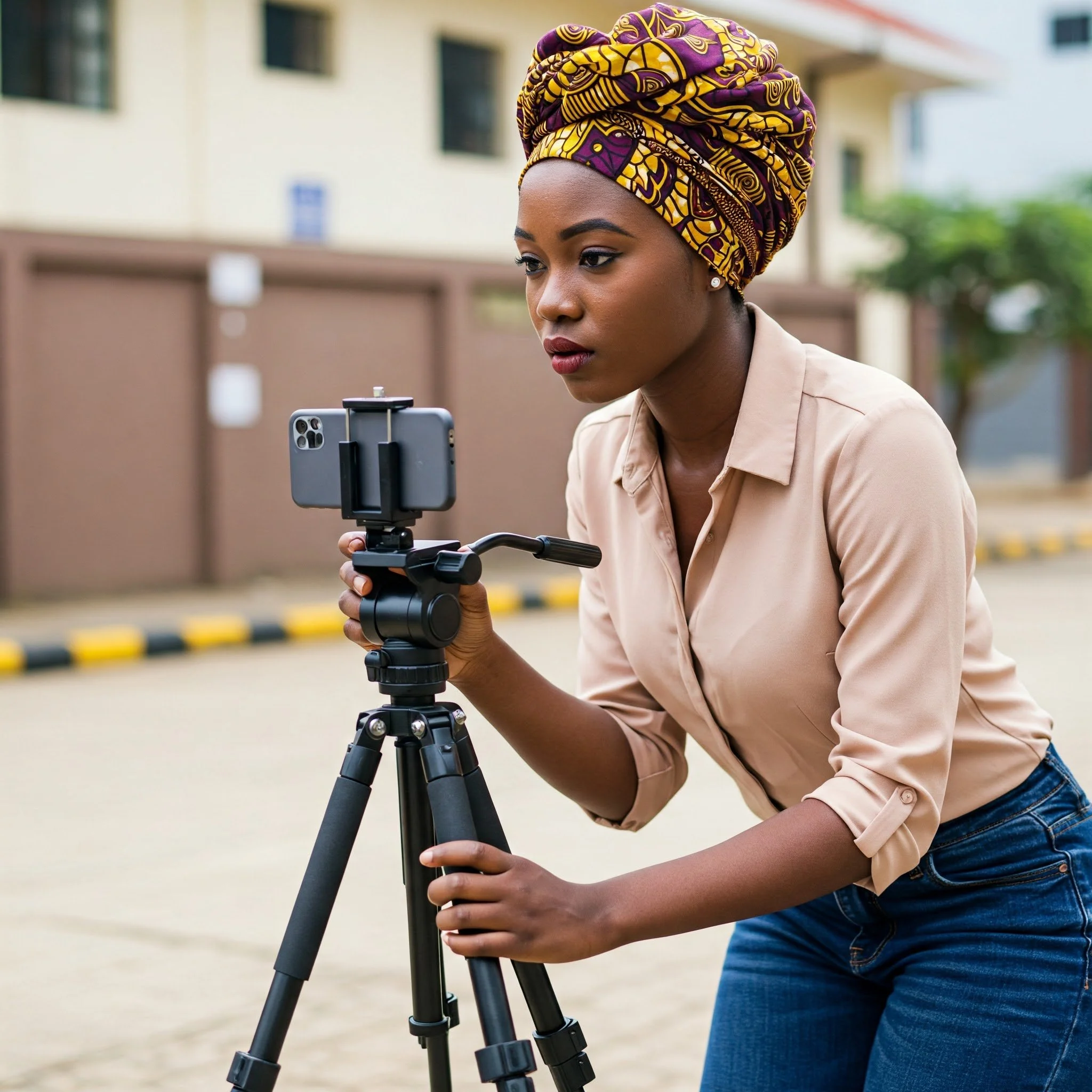
1. Tripod Stability: Rock-Solid Precision
[PREFERRED] ⭐⭐⭐⭐⭐
Definition: A three-legged support system for maximum stability.
Advantages:
Eliminates camera shake.
Essential for telephoto lenses and static shots.
Crucial for interviews, conveying professionalism and comfort.
Disadvantages:
Limited mobility.
Requires setup and transport.
Best Use Cases: Interviews, landscapes, architecture, fixed-position telephoto shots.
2. Gimbal Movement: Fluid and Dynamic Shots
[NEXT BEST THING] ⭐⭐⭐
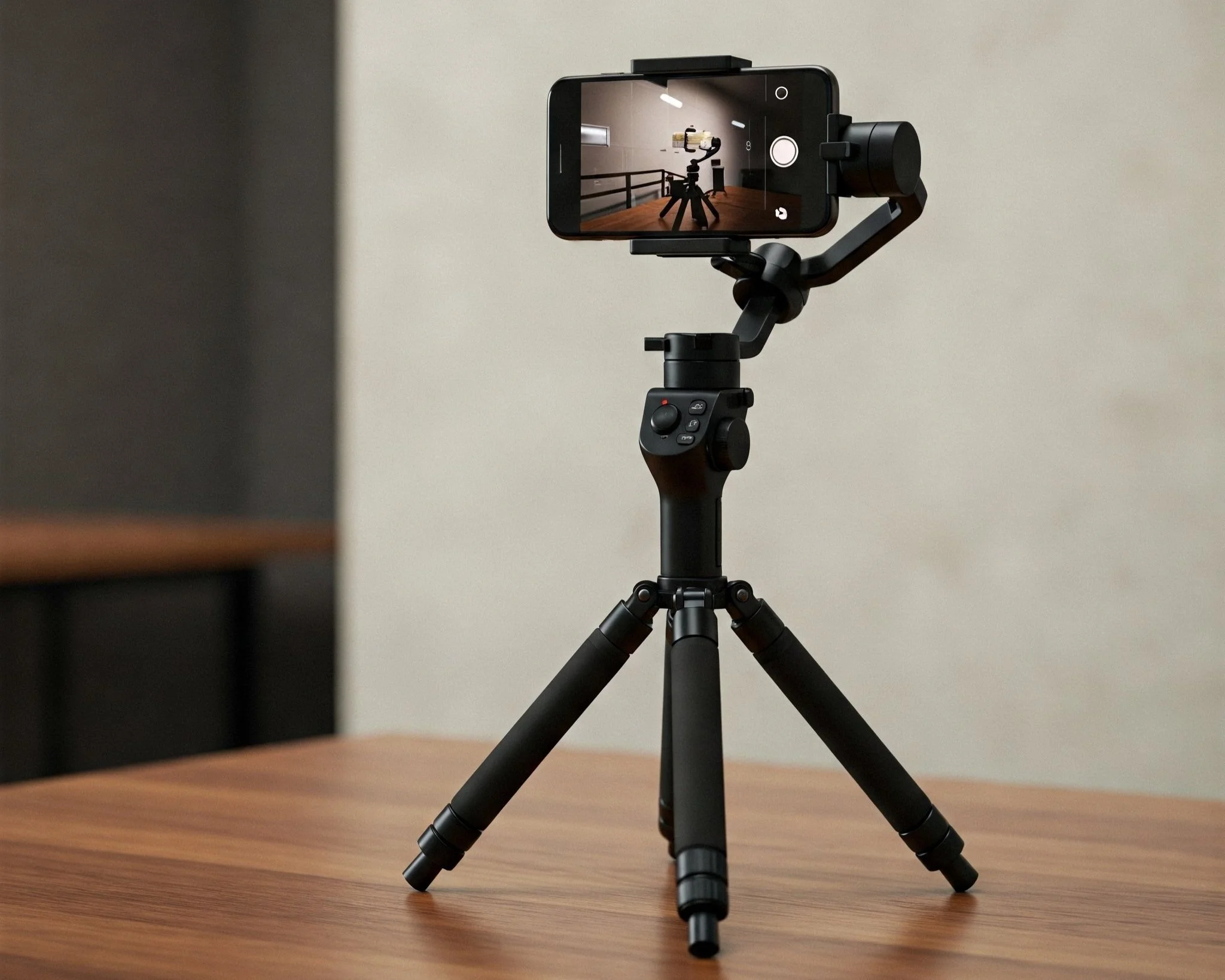
Definition: Motorized stabilization for smooth, controlled movement.
Advantages:
Captures fluid, cinematic moving shots.
Enhances production value in documentaries and narratives.
Disadvantages:
Requires setup, balancing, and transport.
Time-consuming setup, requiring planning.
Best Use Cases: Following subjects, moving through environments, dynamic establishing shots.
3. Handheld Shooting: Mobility and Immediacy
[DISCOURAGED] ⭐
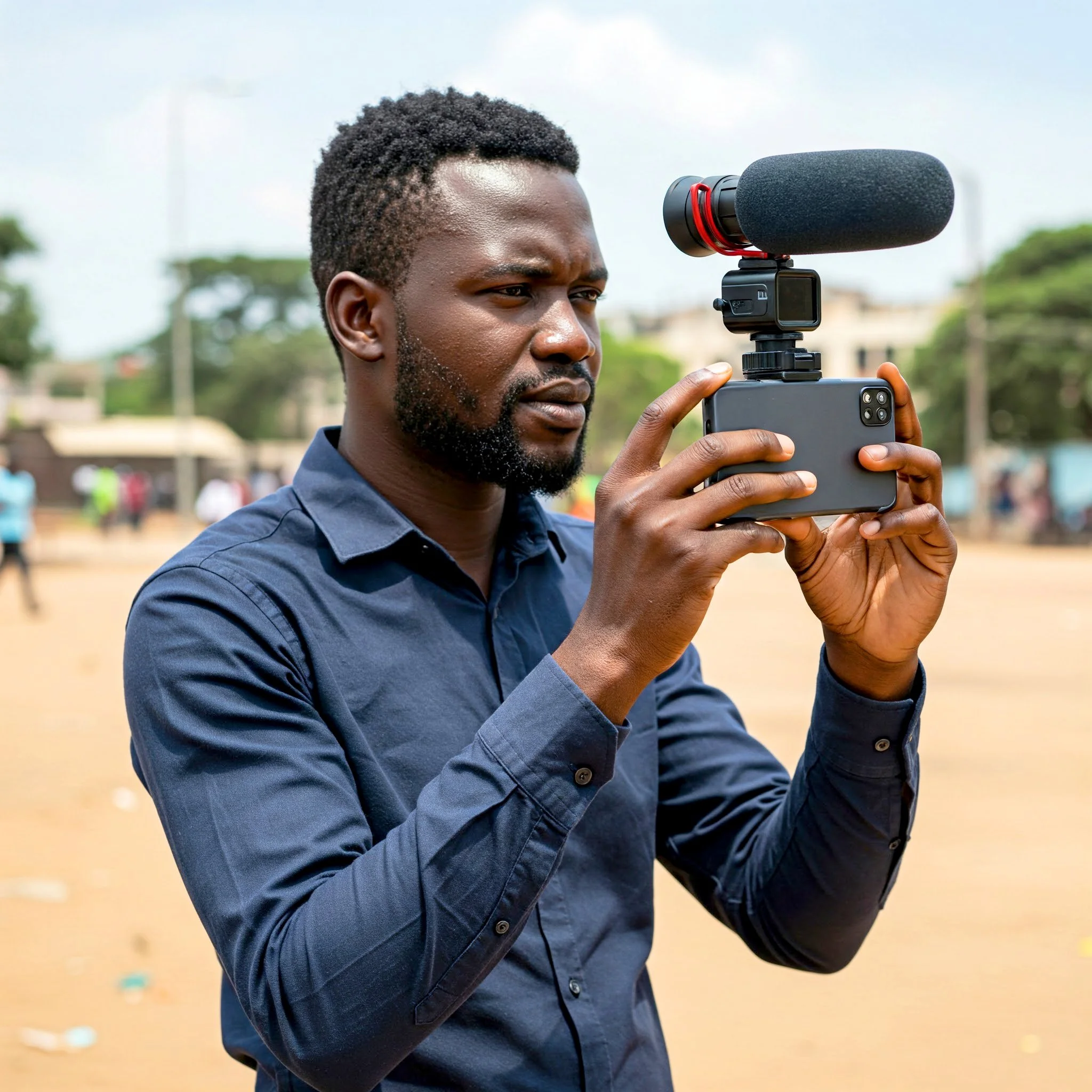
Definition: Holding the camera with your hands.
Advantages:
Maximum mobility for rapid shot acquisition.
Creates an intimate, immediate perspective.
Limitations:
Potential for camera shake, especially with longer focal lengths.
Requires careful lens selection (wider lenses recommended).
Best Use Cases: Dynamic environments, fast-paced events, raw/visceral feel.
Techniques: Practice bracing, use wider lenses, and move deliberately to minimize shake.
Conclusion:
Mastering these techniques is essential for effective video production, particularly for thematic storytelling. The choice of technique should align with creative goals, ethical considerations, and practical constraints. Practice each technique to develop proficiency. Consider the desired look, movement, equipment, and time available. By understanding these principles, you'll capture compelling and impactful footage. We can discuss factors influencing your technique choices in greater detail in our next session.